The gastric inhibitory polypeptide receptor (GIP-R), also known as the glucose-dependent insulinotropic polypeptide receptor, is a protein that in humans is encoded by the GIPR gene.
GIP-R is a member of the class B family of G protein coupled receptors. GIP-R is found on beta-cells in the pancreas where it serves as the receptor for the hormone Gastric inhibitory polypeptide (GIP).
Function
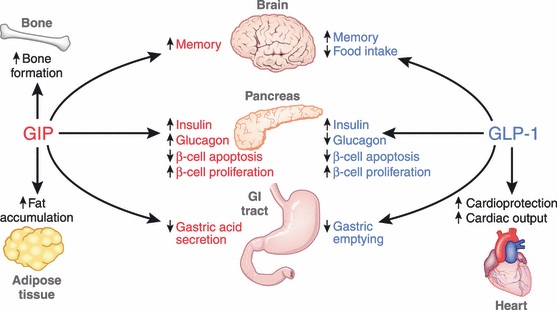
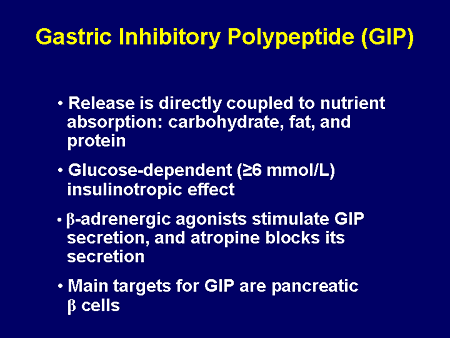
Gastric inhibitory polypeptide, also called glucose-dependent insulinotropic polypeptide, is a 42-amino acid polypeptide synthesized by K cells of the duodenum and small intestine. It was originally identified as an activity in gut extracts that inhibited gastric acid secretion and gastrin release, but subsequently was demonstrated to stimulate insulin release potently in the presence of elevated glucose. The insulinotropic effect on pancreatic islet beta-cells was then recognized to be the principal physiologic action of GIP. Together with glucagon-like peptide-1, GIP is largely responsible for the secretion of insulin after eating. It is involved in several other facets of the anabolic response.
References
Further reading
External links
- "Glucagon Receptor Family: GIP". IUPHAR Database of Receptors and Ion Channels. International Union of Basic and Clinical Pharmacology. Archived from the original on 2016-03-03. Retrieved 2007-10-25.
- gastric inhibitory polypeptide receptor at the U.S. National Library of Medicine Medical Subject Headings (MeSH)
This article incorporates text from the United States National Library of Medicine, which is in the public domain.